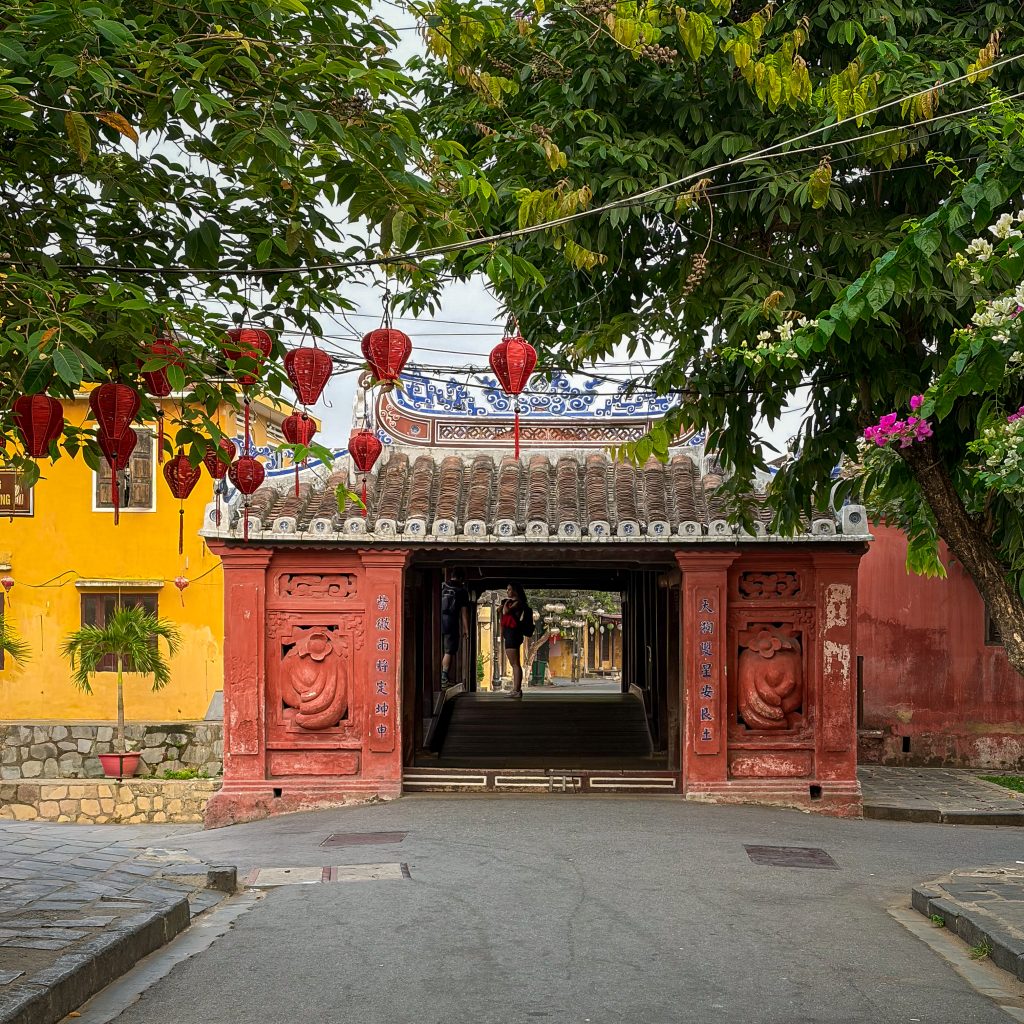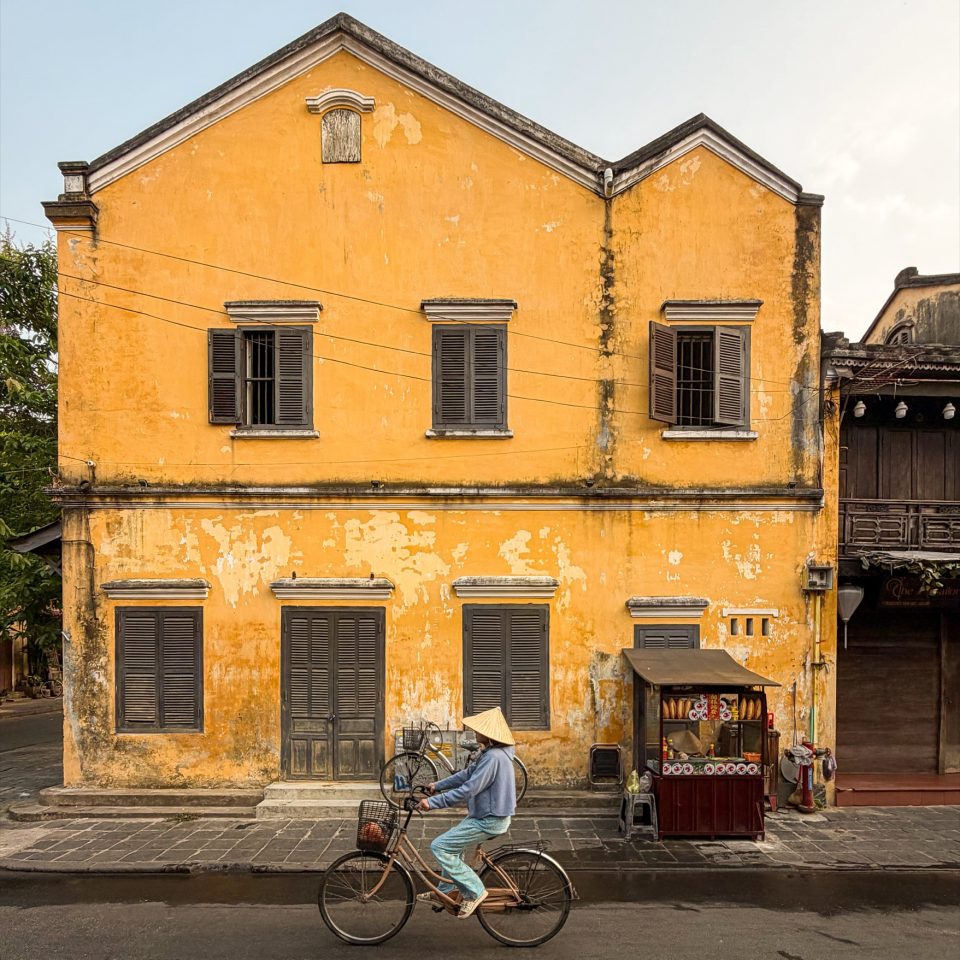


Located on Vietnam’s central coast, Hoi An is a city where time seems to slow down. Its narrow streets, ochre yellow houses, tiled roofs, wooden shopfronts and glowing lanterns create one of the most atmospheric urban landscapes in Southeast Asia. More than a picturesque destination, Hoi An is a living record of cultural exchange, shaped by centuries of trade, migration, craftsmanship and daily life along the Thu Bon River.
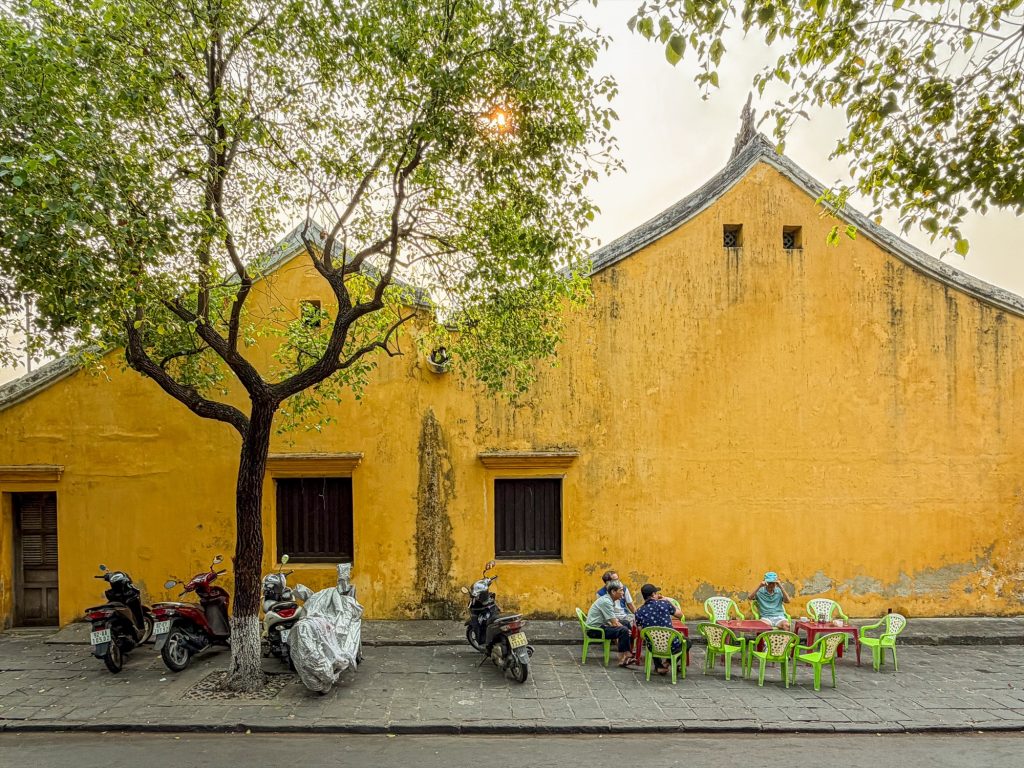
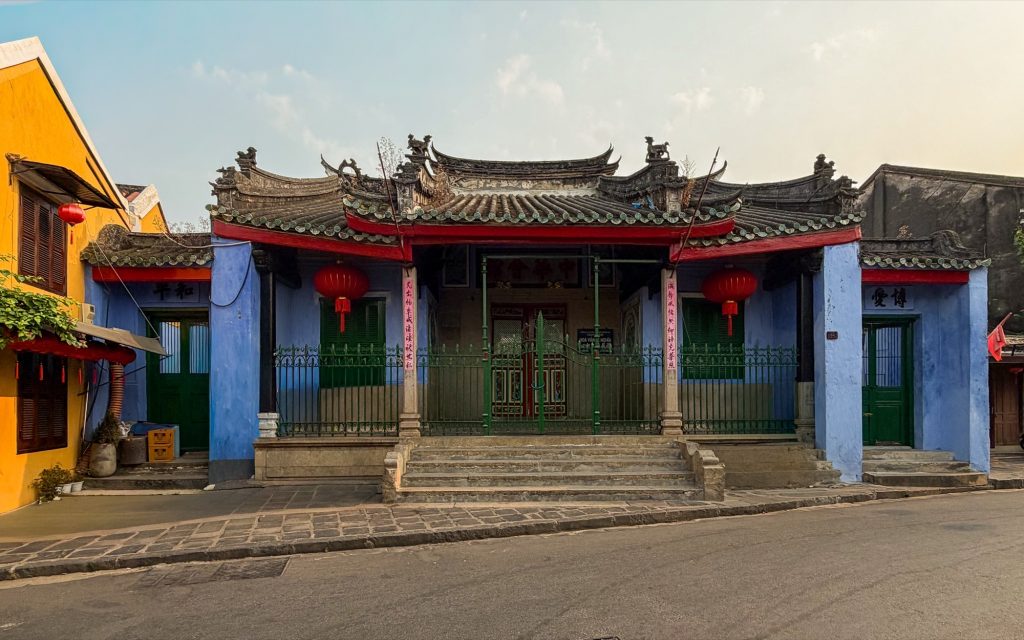
From the 15th to the 19th century, Hoi An developed as an important international trading port, welcoming merchants from Japan, China, Europe and other parts of Asia. This long history of exchange can still be read in the town’s architecture, where Vietnamese timber houses stand alongside Chinese assembly halls, Japanese influences and colonial details. UNESCO describes Hoi An Ancient Town as an exceptionally well-preserved example of a traditional Southeast Asian trading port and a material expression of cultural fusion over time.
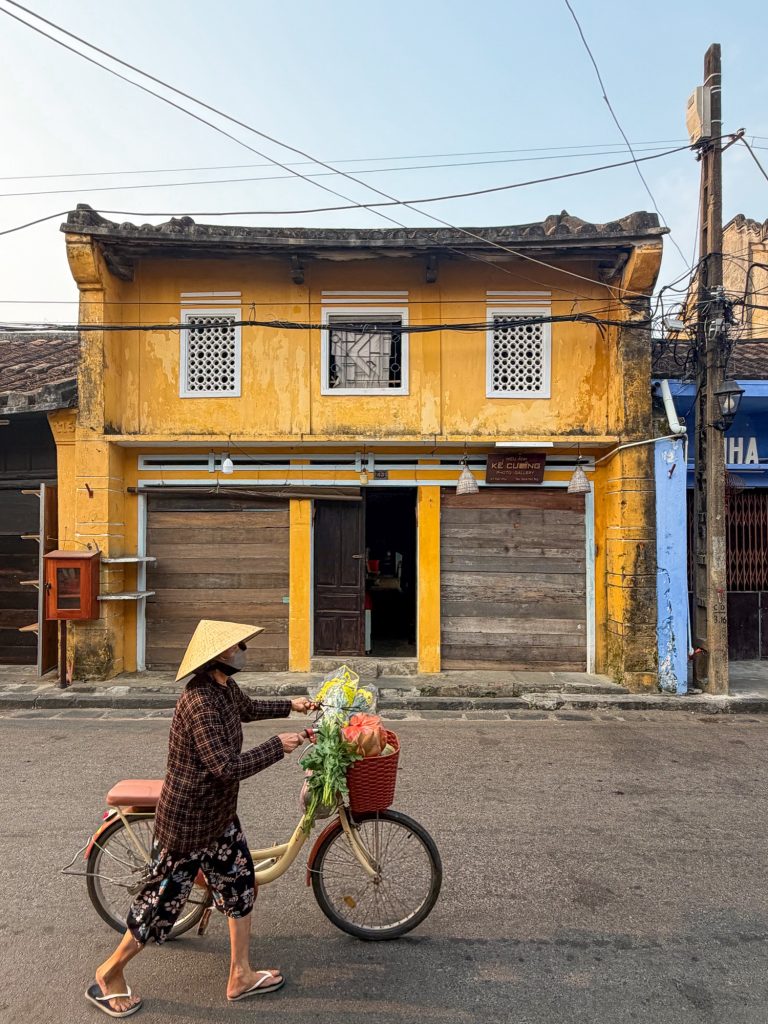
The beauty of Hoi An lies not only in its monuments, but also in the rhythm of everyday life. In the morning, the town is quiet and soft, with bicycles passing through shaded streets and market vendors arranging fresh herbs, fruit and fish. By afternoon, sunlight falls across the yellow walls, deepening their colour and revealing the texture of old plaster, timber shutters and moss-covered roofs. At night, the riverside becomes luminous, as lanterns reflect on the water and the ancient town takes on an almost cinematic calm.
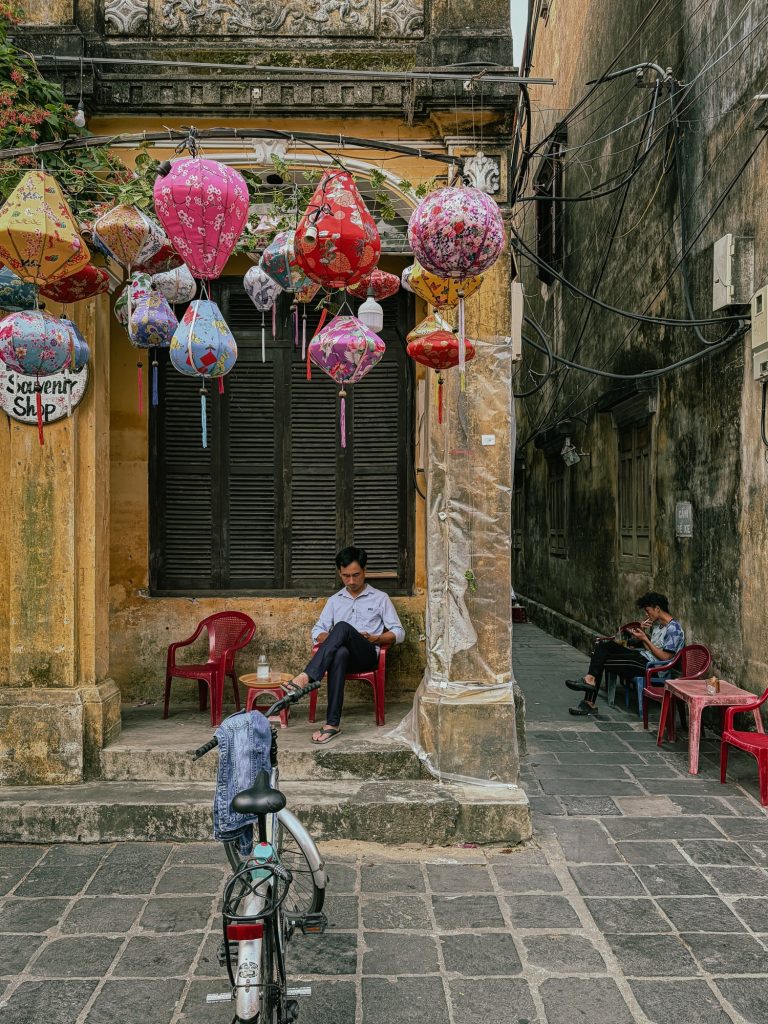
Hoi An is also a city of craft. Tailoring, lantern making, woodwork, ceramics and traditional cooking remain closely connected to its cultural identity. Visitors can move between old houses, temples, assembly halls, riverside cafés and small workshops, encountering a place where heritage is not frozen, but continuously used, adapted and cared for. Vietnam’s official tourism platform highlights Hoi An’s old-world architecture, cobbled streets, yellow shopfronts and colourful lanterns as central to the town’s enduring charm.
Beyond the ancient town, Hoi An opens into a wider landscape of water, gardens and villages. The Thu Bon River, the nearby beaches, the coconut groves of Cam Thanh and the traditional craft villages around the city all extend the experience beyond the historic centre. This relationship between architecture, river life and landscape gives Hoi An a gentle, layered character that feels both intimate and expansive.
To visit Hoi An is to encounter a rare balance between memory and daily life. Its streets preserve the traces of a historic port, yet its atmosphere remains warm, human and immediate. Whether seen in the quiet light of early morning or under the glow of lanterns at dusk, Hoi An continues to offer one of Vietnam’s most poetic introductions to history, architecture and culture.