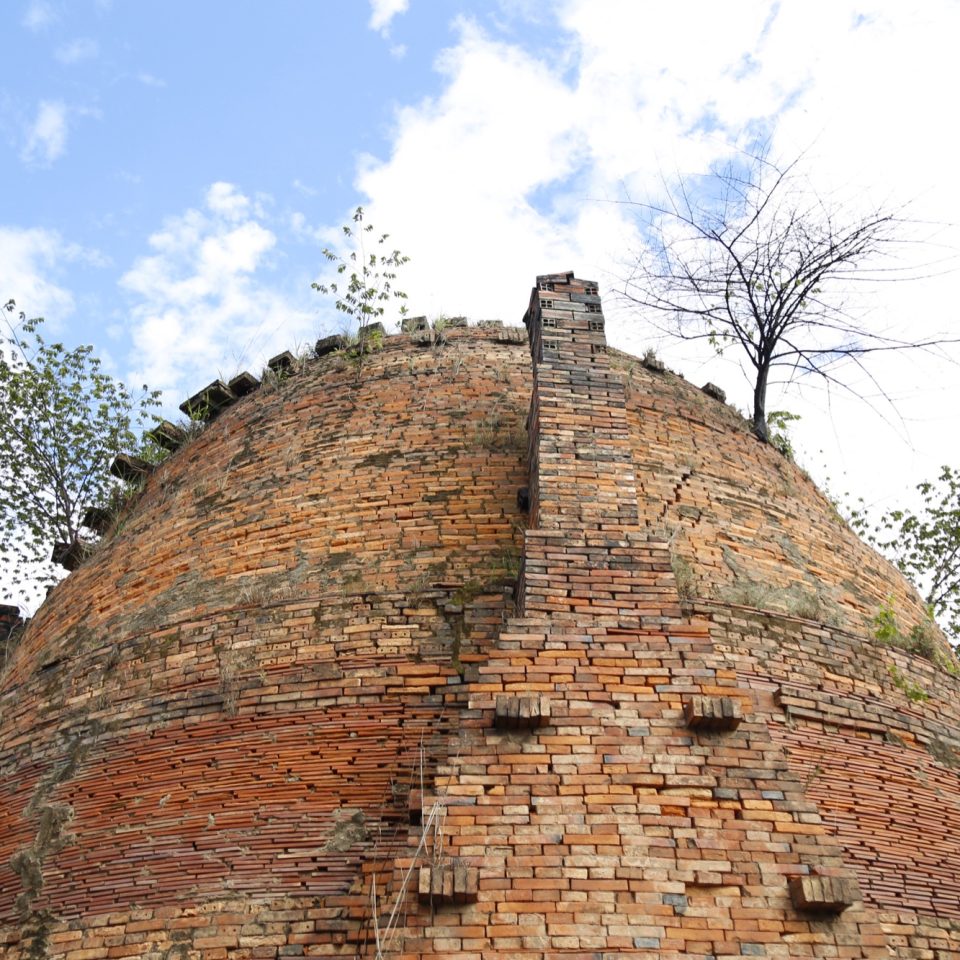


Mang Thít, in Vĩnh Long Province, is a distinctive area of the Mekong Delta, where riverine landscapes, craft traditions and memories of labour come together to form a character of its own. When speaking of Mang Thít, people often think of red brick kilns standing close together along canals and waterways, creating a rare vernacular industrial landscape. For this reason, the area was once known as the “Kingdom of Brick Kilns” of southwestern Vietnam.
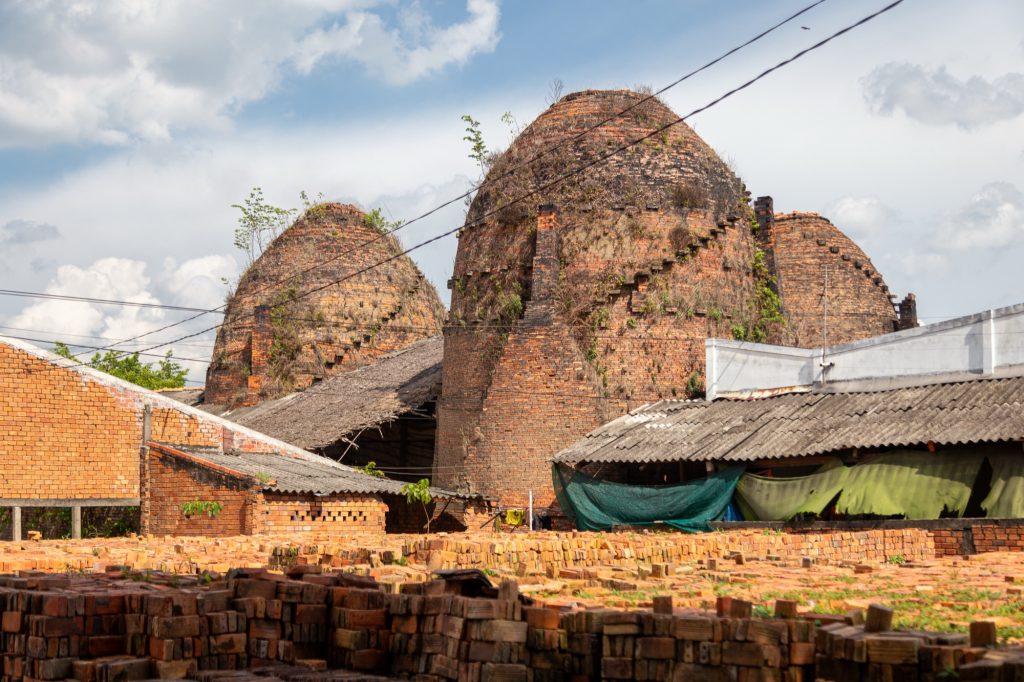
Brick and tile production in Vĩnh Long began in the early nineteenth century and developed strongly thanks to the clay deposits along the rivers, as well as the canal system that made it convenient to transport raw materials and finished products. In Mang Thít, the kilns were concentrated in Mỹ An, Mỹ Phước, Nhơn Phú and Hòa Tịnh, along Thầy Cai Canal and the waterways connected to the Cổ Chiên River. At one time, the area had thousands of traditional round kilns in operation, forming one of the major brick and ceramic production centres of the Mekong Delta.
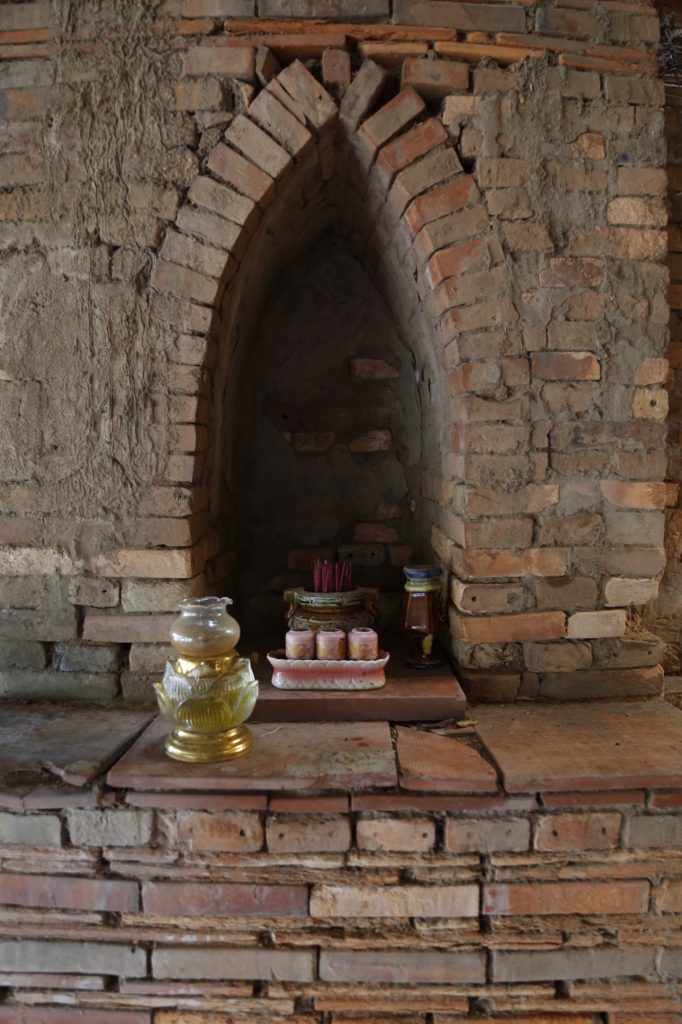
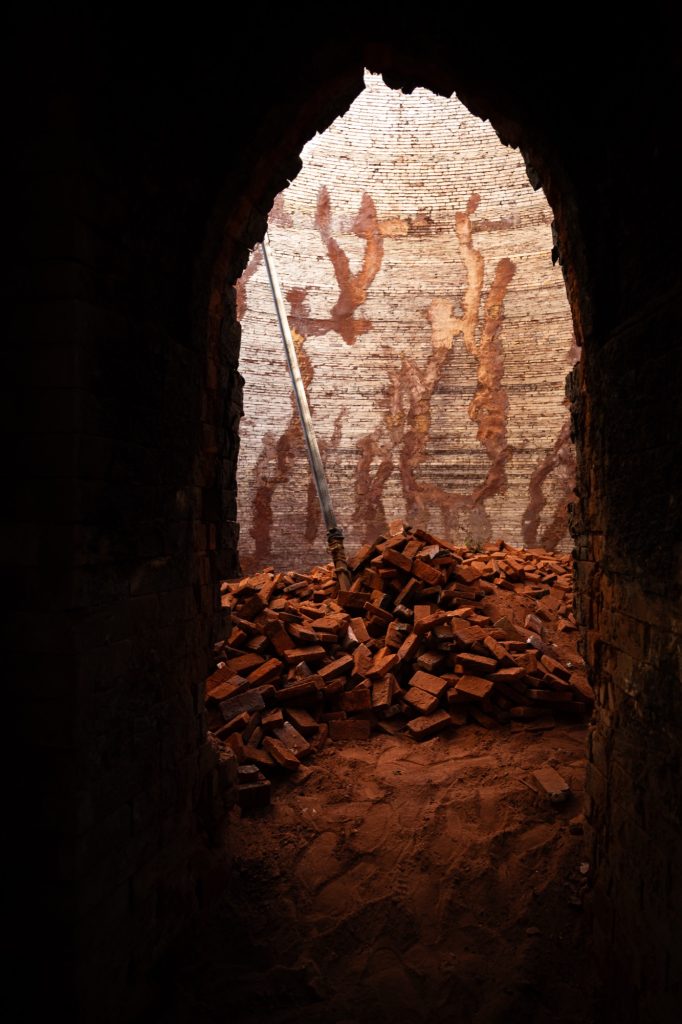
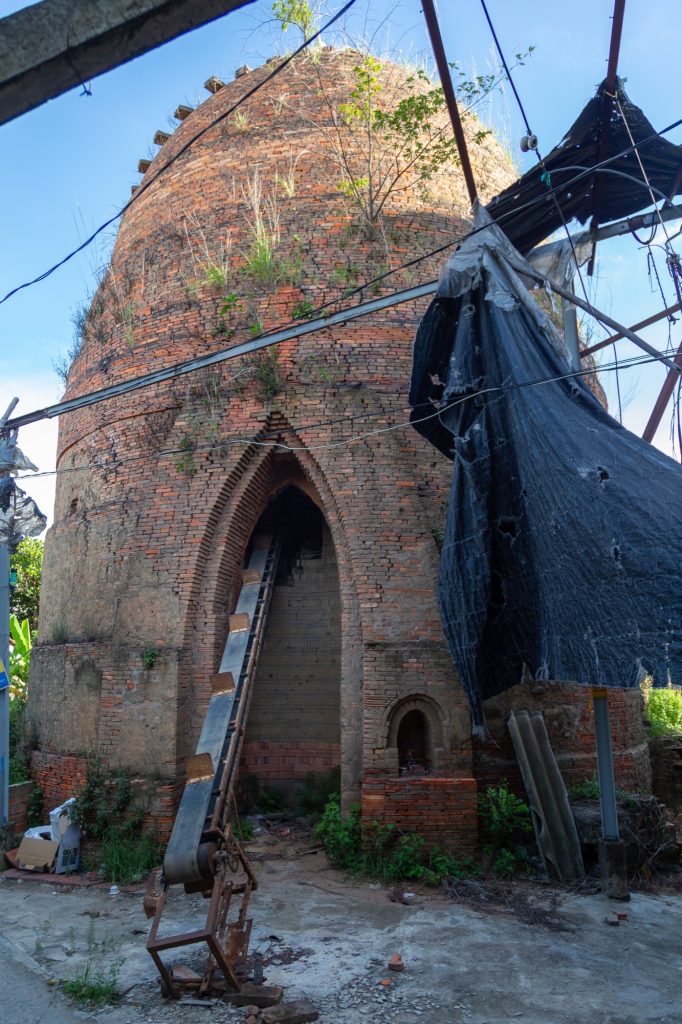
The value of Mang Thít lies not only in its bricks, tiles or red ceramics, but also in the architectural form of the kilns themselves. These brick kilns usually have round, tall bodies that gradually narrow towards the top. Seen from afar, they look like red towers rising among gardens and water. This is a special form of vernacular architecture, shaped by building experience and by an understanding of earth, fire, wind, temperature and the rhythm of production passed down through generations of local craftsmen.
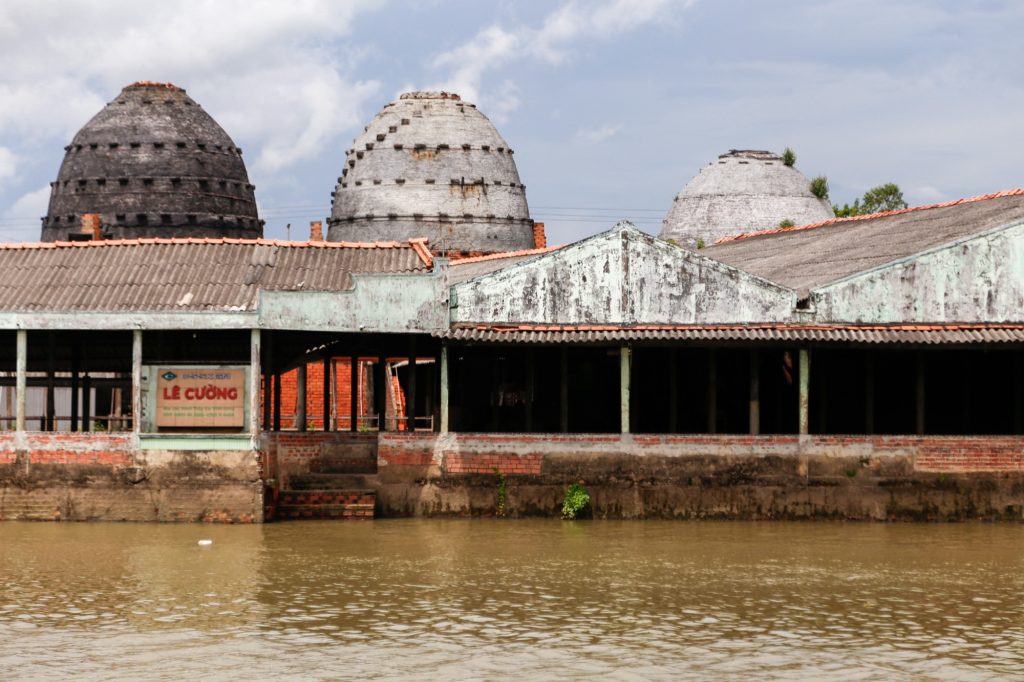
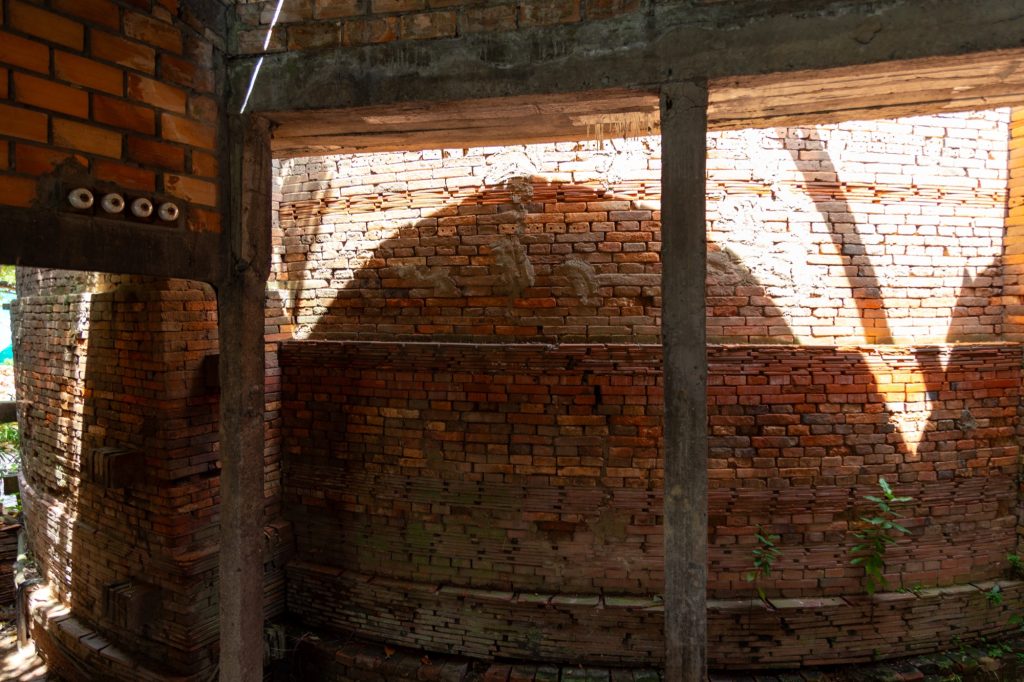
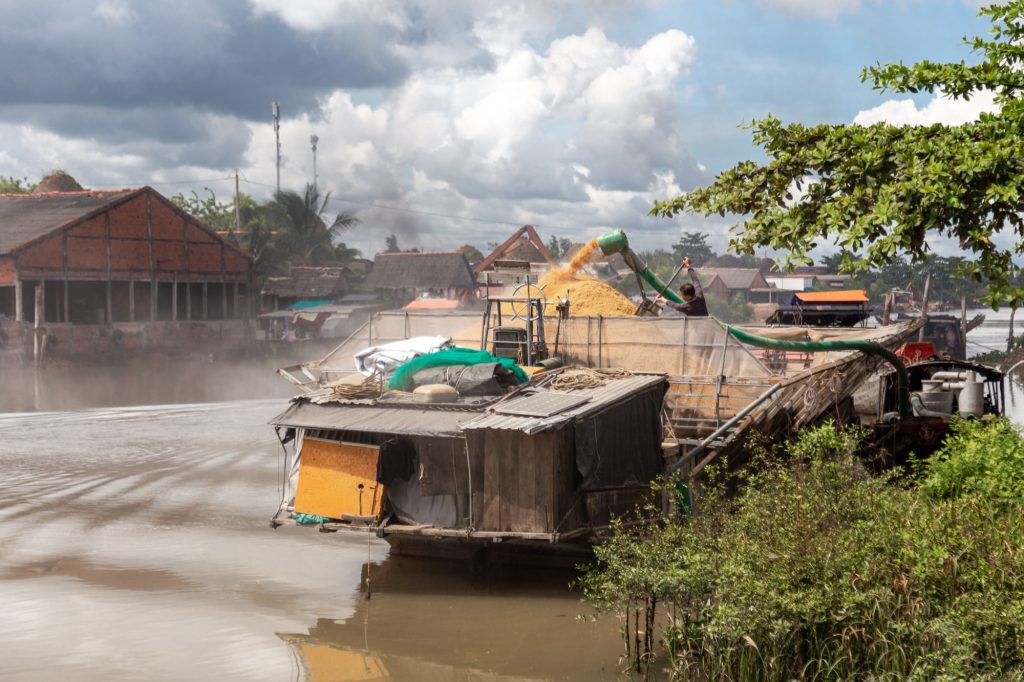
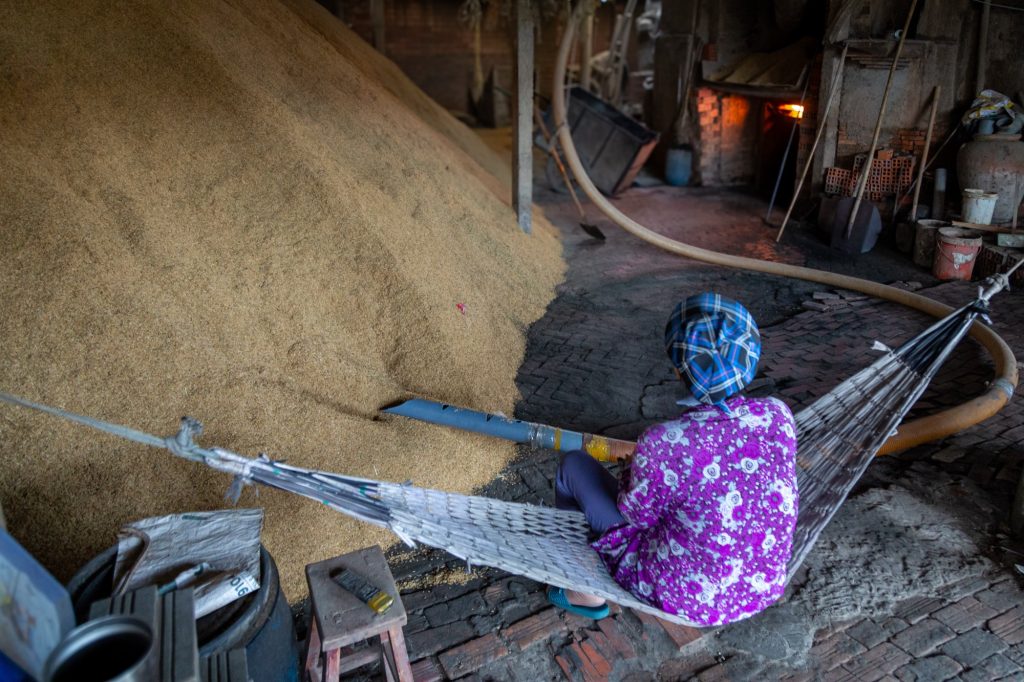
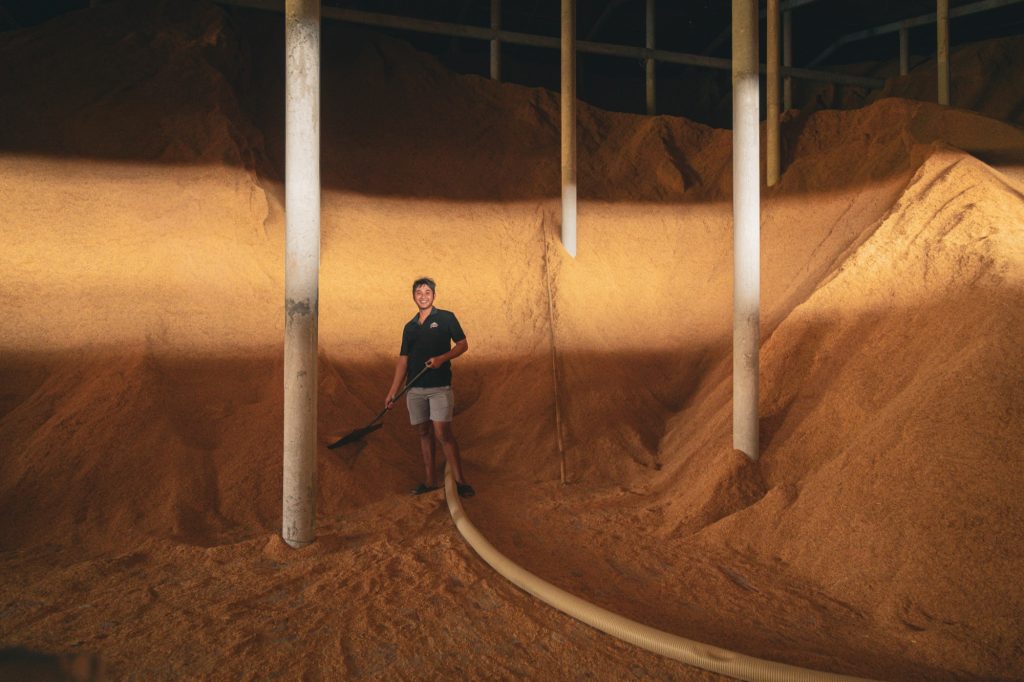
In the past, these kilns operated continuously. Clay was extracted, mixed, moulded, dried in the sun and then fired in kilns using rice husks as fuel. Through fire, the earth became bricks, tiles and red ceramics with the characteristic colour of Vĩnh Long. These products were once widely consumed across the country and exported abroad, while also providing livelihoods for many local families.
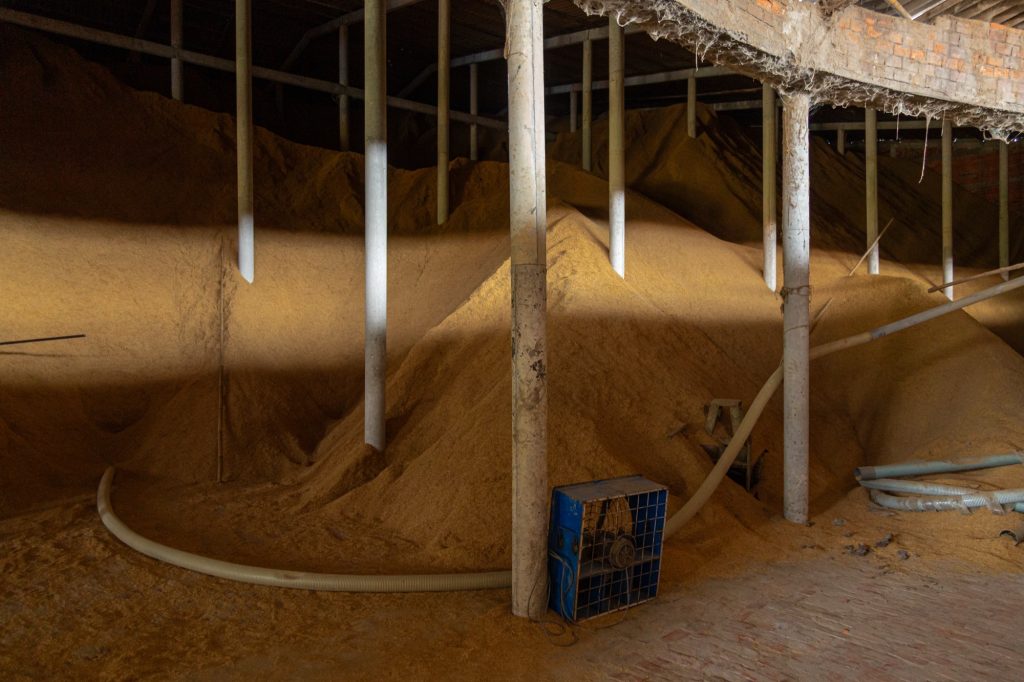
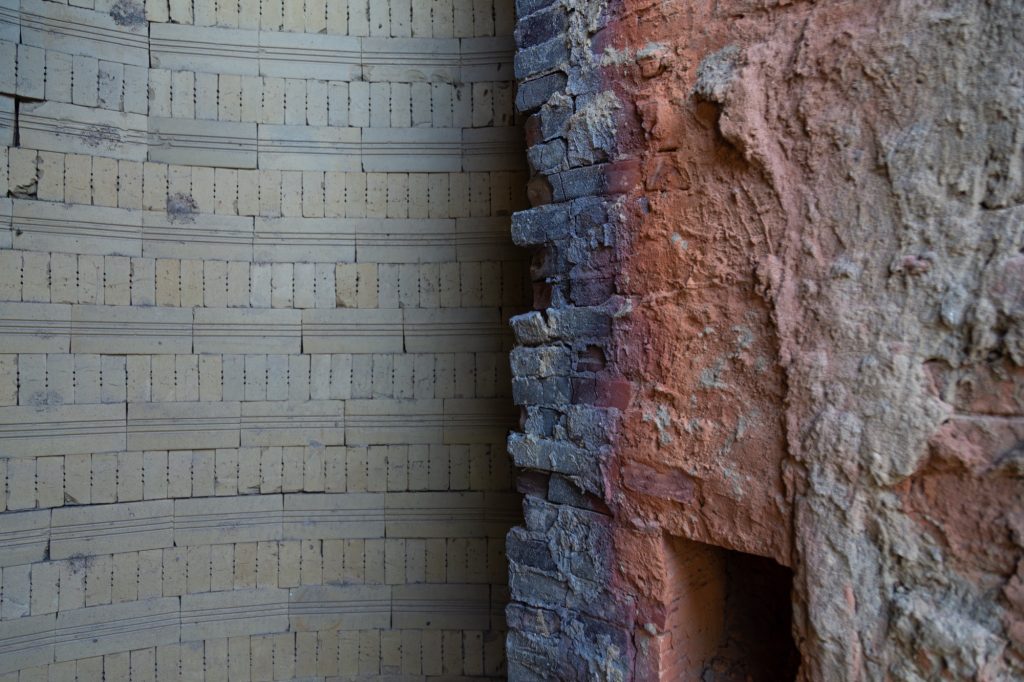
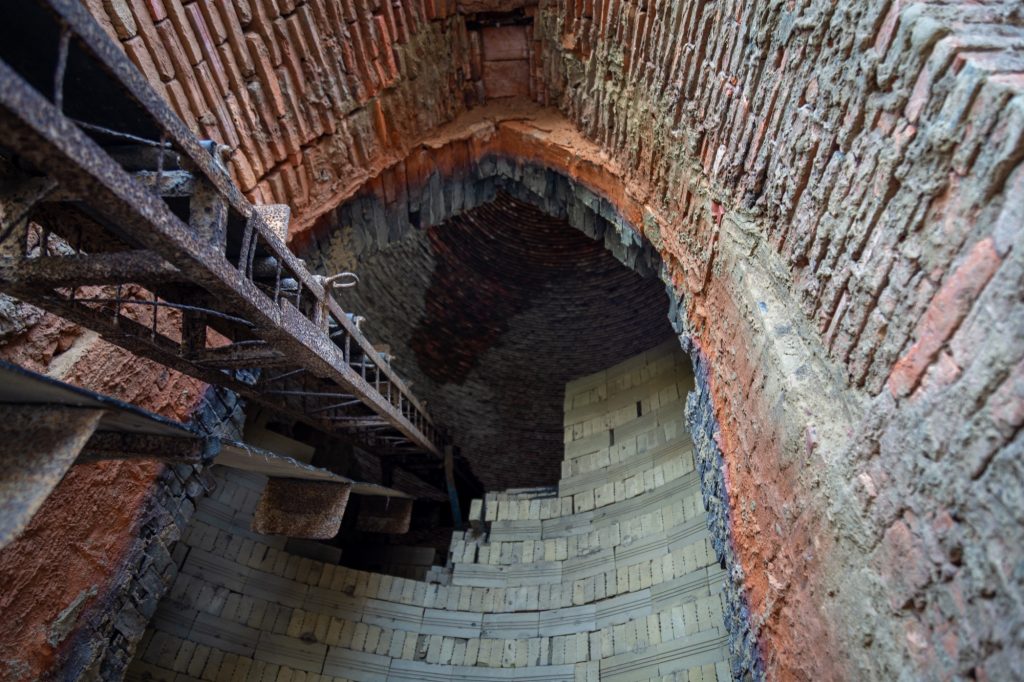
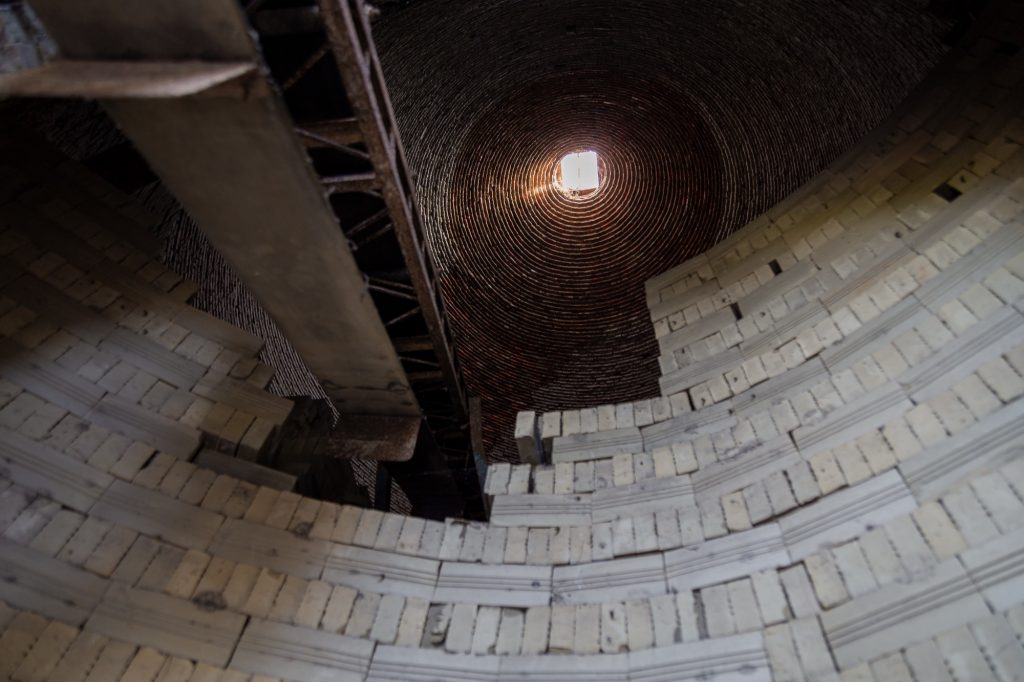
As environmental requirements changed and building material production shifted towards new technologies, many traditional kilns were forced to stop operating. Some were abandoned, left to deteriorate or dismantled. In this context, Mang Thít began to be recognised as a form of “contemporary heritage” – not merely a collection of old brick kilns, but a landscape made up of canals, wharves, workshops, gardens, craft memories and local communities.
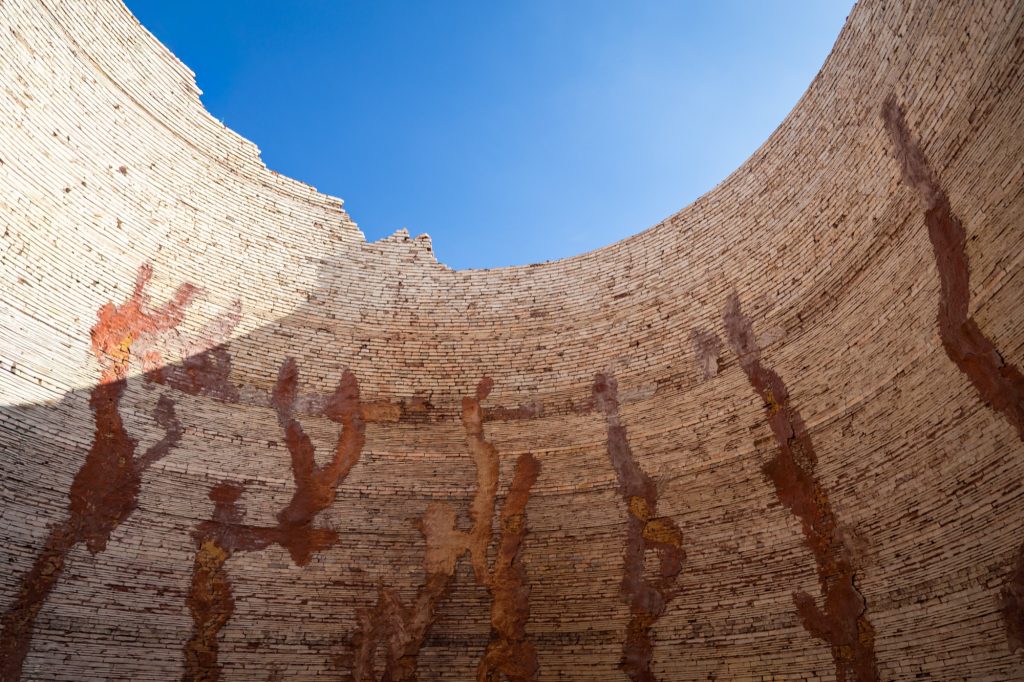
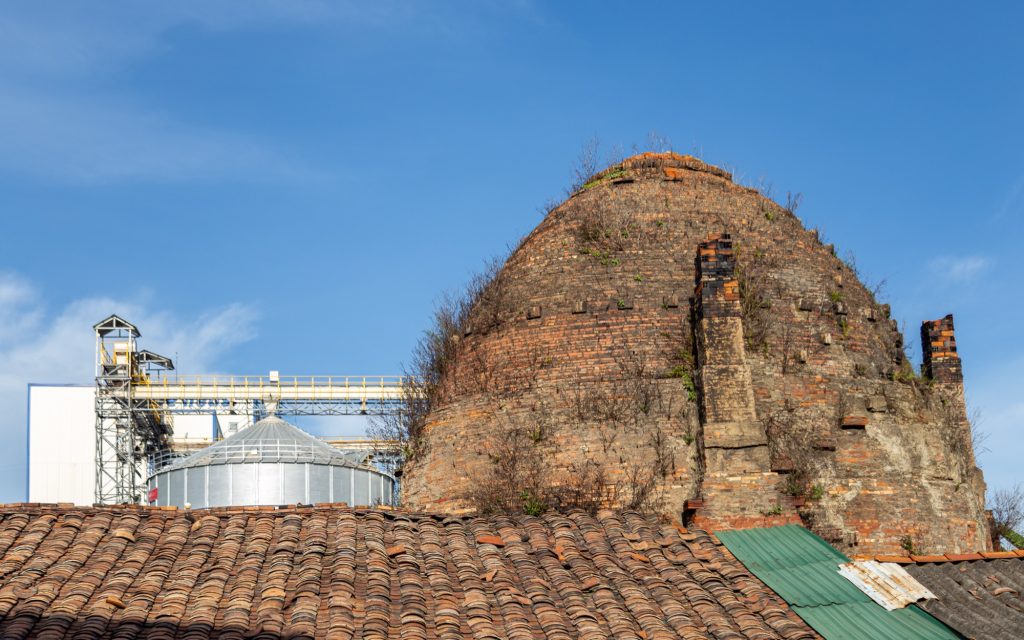
The preservation of Mang Thít, therefore, should not stop at retaining the physical form of the kilns. What matters more is finding ways to bring this heritage back into present-day life. The old brick kilns could become places to visit, exhibition spaces, experiential workshops, sites for telling the story of the craft, or part of a river-based tourism route. Whatever form this transformation takes, its core value remains in the authenticity of the material, structure, landscape and memories of labour.
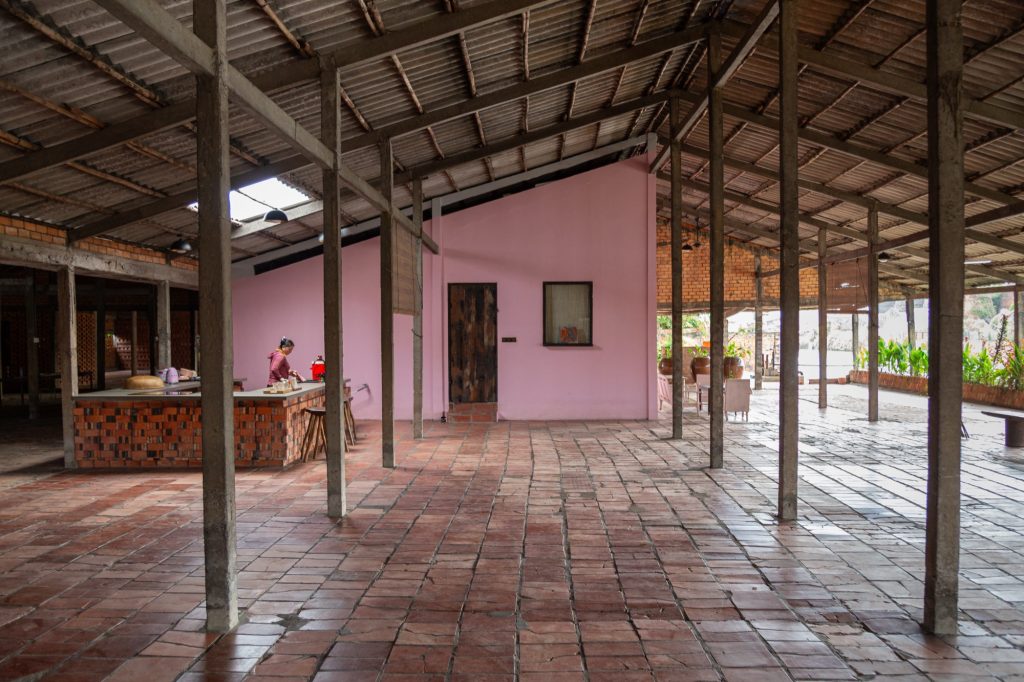
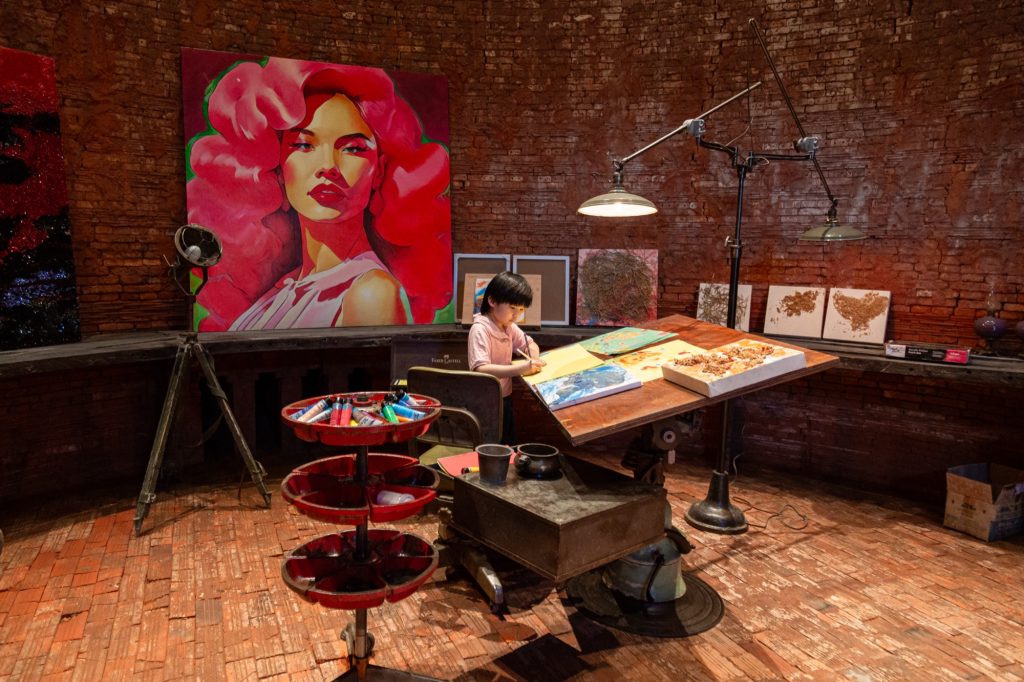
Út Pink Studio

Út Pink Studio
Mang Thít is not only a tourist destination, but also a material memory of the Mekong Delta. In the red colour of its bricks lies the trace of alluvial soil; in the form of its kilns lies vernacular wisdom; and in the revival of the “Kingdom of Brick Kilns” there is the possibility of a new approach to preservation, where heritage continues to live alongside the community today.
Vĩnh Long, Vietnam
June 2026